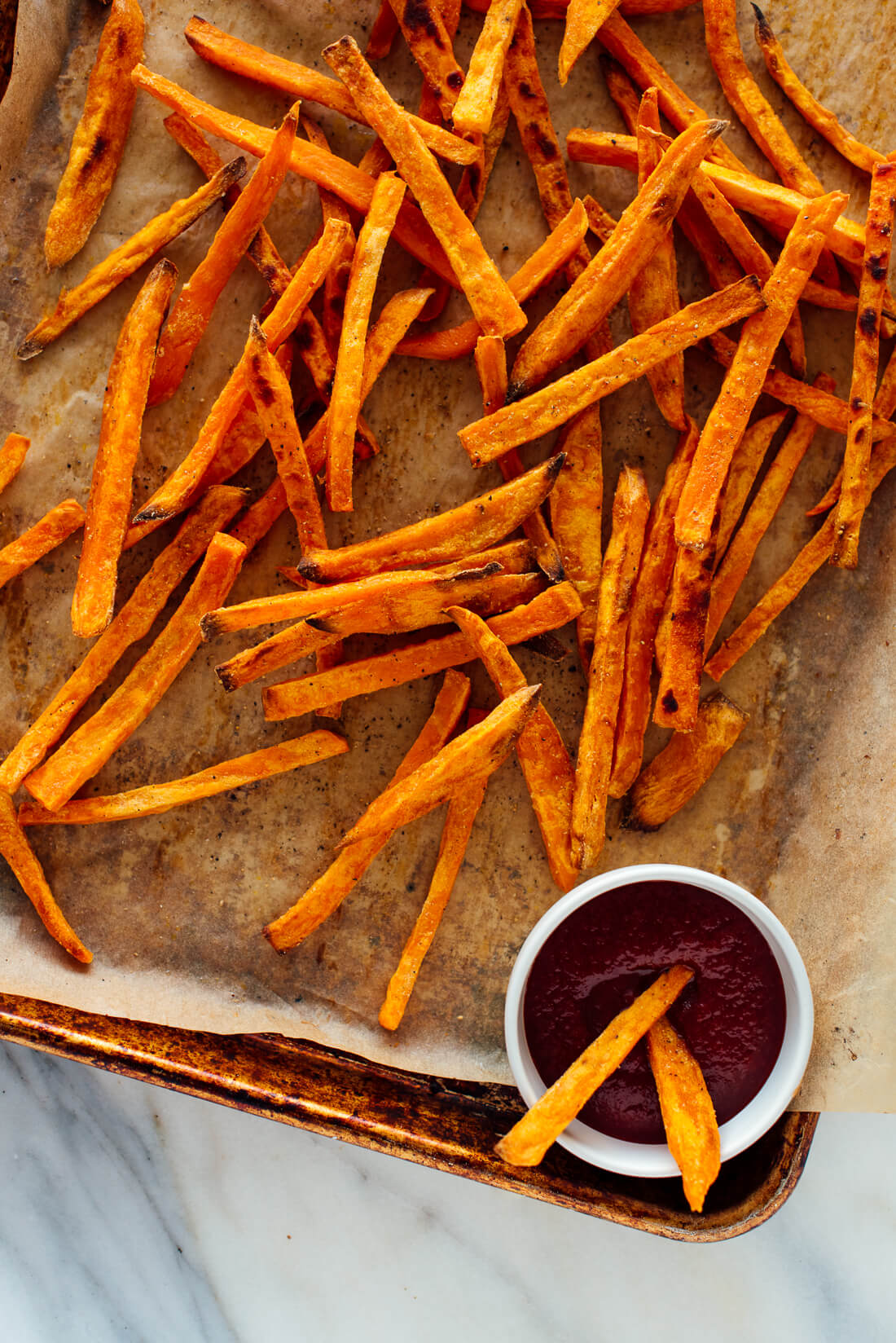
No More Soggy: Crispy Oven Sweet Potato Fries Rivaling Deep-Fried
There's a universally acknowledged truth in the culinary world: the perfect fry delivers an irresistible crunch on the outside, giving way to a tender, fluffy interior. For many, sweet potato fries elevate this experience, offering a delightful balance of natural sweetness and savory seasonings. Yet, the pursuit of truly crispy, golden oven-baked sweet potato fries at home often ends in disappointment. We've all been there – pulling a tray from the oven, only to find limp, soggy, or strangely leathery sticks that are a far cry from the bar-food dream. This isn't just a home-cook problem; even deep-fried versions from restaurants often fall short of that elusive shattering crispness.
The good news? Achieving those perfectly crispy oven sweet potato fries that can proudly stand alongside (or even surpass) their deep-fried counterparts is not only possible but surprisingly straightforward. Forget the messy deep fryer and the inconsistent results. With a few clever techniques and a touch of kitchen science, you can transform humble sweet potatoes into a glorious, guilt-free side that will disappear as fast as you can make them.
The Quest for Crispy: Why Sweet Potato Fries Are So Tricky
Why do sweet potatoes seem to resist crisping up in the oven so stubbornly? The answer lies in their fundamental composition. Unlike their starchy russet cousins, sweet potatoes contain less starch, more sugar, and significantly more water. While these qualities contribute to their delicious flavor and nutritional benefits, they also present unique challenges for achieving that desired crisp exterior.
When exposed to heat, the higher water content in sweet potatoes tends to steam them rather than crisp them. The sugars, while caramelizing beautifully for flavor, can also burn quickly before the interior fully cooks or the exterior adequately crisps. This delicate balance often leads to a dilemma: either you cook them long enough for some crispness, but risk a burnt exterior and mushy interior, or you pull them out prematurely, leaving them pale and limp. Traditional methods of simply tossing sweet potatoes in oil and baking them often result in uneven browning, a dusty texture from dry starch, or a bitter taste rather than the sweet, caramelized notes we crave. This fundamental difference is what makes a dedicated approach to
baked sweet potato fries so essential.
Unlocking the Secret: The Cornstarch Slurry Revolution
The key to achieving truly glorious, shattering crispness in your
baked sweet potato fries isn't a secret ingredient you've never heard of, but rather a clever application of a pantry staple: cornstarch. However, it's not just about tossing dry cornstarch with your fries, which can lead to a chalky or tough coating. The real game-changer is a pre-gelatinized cornstarch slurry.
Here's how this ingenious technique works:
1.
The Slurry Creation: Instead of dry starch, you whisk cornstarch and water together, then briefly cook this mixture (often in the microwave) until it thickens into a smooth, yogurt-like paste. This process "pre-gelatinizes" the starch.
2.
The Magic Coating: When this pre-cooked slurry is tossed with the sweet potato sticks, it forms a thin, cohesive batter that adheres evenly to every surface. This isn't a thick, heavy batter, but a delicate film.
3.
Oven Transformation: As the fries bake, this pre-gelatinized starch coating crisps beautifully, creating a light, airy crunch that remarkably mimics the texture of a deep-fried fry. Crucially, it does so without turning dark, dusty, or bitter – issues common with dry starch applications. It allows the sweet potato to develop a gorgeous golden hue and roasted flavor.
But there's another subtle yet powerful player in this crisping symphony: baking soda. Adding a small amount of baking soda to the slurry raises its pH. This alkaline environment encourages the Maillard reaction (the chemical process responsible for browning and flavor development) to occur more efficiently. The result? Your fries develop deep, rich color and an enhanced roasted flavor before their delicate interiors have a chance to overcook and turn limp. This scientific approach ensures your
baked sweet potato fries achieve both optimal texture and taste. For a deeper dive into the science behind this magic, check out
The Science of Crisp: Baked Sweet Potato Fries with Cornstarch.
Mastering the Technique: From Prep to Perfect Bake
Achieving truly crispy oven sweet potato fries isn't just about the cornstarch slurry; it's also about meticulous preparation and smart baking techniques that create an almost shallow-frying effect within your oven.
Precision Cutting for Maximum Crunch
Start with your sweet potatoes. Wash them thoroughly – peeling is optional, as the skin adds rustic charm and extra fiber. The key here is consistency in cutting. Aim for sticks that are roughly 1/2-inch thick. This size maximizes the ratio of crisp surface area to soft, sweet interior. Uniformity ensures that all your fries cook at the same rate, preventing some from burning while others remain undercooked.
The Perfect Coating Application
Once your sweet potatoes are cut, it's time for the star of the show: the cornstarch slurry. After preparing it to a smooth, yogurt-like consistency and incorporating the baking soda, toss your sweet potato sticks thoroughly in the mixture. Ensure every piece is evenly coated with the thin, cohesive batter. This even coating is paramount for uniform crisping.
Optimizing Your Baking Sheet
This step might seem minor, but it's crucial for achieving consistent crispness. Before adding any oil, lightly spray your baking sheet with cooking spray. This initial layer ensures that when you add your oil (a neutral, high smoke point oil like canola, grapeseed, or vegetable oil works best), it spreads into a perfectly even, thin film across the entire surface of the pan. Without the spray, oil tends to bead up, leading to uneven contact with the heat and patchy crisping or scorching. This creates a "shallow-frying" effect directly in your oven, ensuring every fry gets consistent heat exposure.
The High-Heat, Single-Layer Bake
Preheat your oven to a high temperature, typically around 425-450°F (220-230°C). High heat is essential for driving off moisture and developing that coveted crust. Once the pan and oil are hot, arrange your coated sweet potato fries in a single layer on the prepared baking sheet. Do not overcrowd the pan! Overcrowding will lower the pan's temperature and cause the fries to steam instead of crisp, leading straight back to the soggy problem. If necessary, use two baking sheets. Flip the fries halfway through cooking to ensure even browning and crisping on all sides. The total baking time will vary depending on your oven and the thickness of your fries, but typically ranges from 20-30 minutes. Keep a close eye on them towards the end, looking for that deep golden-brown color and a visibly crisp exterior. For a complete, step-by-step recipe, including precise measurements, check out
Master Crispy Oven Sweet Potato Fries: The Cornstarch Secret.
Beyond the Basics: Elevating Your Baked Sweet Potato Fries
Now that you've mastered the art of crispy
baked sweet potato fries, it's time to unleash your creativity with seasonings and serving suggestions. The natural sweetness of the sweet potato provides a fantastic canvas for a myriad of flavor profiles.
Seasoning Creativity
*
Classic Savory: Beyond salt and pepper, consider a pinch of paprika (smoked or sweet), garlic powder, onion powder, or a dash of chili powder for a subtle kick.
*
Sweet & Spicy: A sprinkle of cinnamon or a dash of brown sugar, combined with a pinch of cayenne pepper, creates an irresistible sweet-heat dynamic.
*
Herbal Infusion: Dried rosemary or thyme can add an aromatic, earthy note that pairs beautifully with the sweet potato's richness.
*
Global Flavors: Experiment with curry powder, za'atar, or even a dash of everything bagel seasoning for an unexpected twist.
*
Post-Bake Finishes: A squeeze of lime juice, a sprinkle of fresh cilantro, or a dusting of nutritional yeast for a cheesy flavor can add a burst of freshness and complexity right before serving.
Dipping Delights
No fry is complete without the perfect dip!
*
Creamy & Tangy: A homemade aioli, a sriracha mayo, or a creamy honey-mustard sauce.
*
Classic Comfort: Ketchup (perhaps a spicy version) or a good quality BBQ sauce.
*
Fresh & Bright: A simple Greek yogurt dip with herbs, or even a zesty lime crema.
Serving Suggestions
Crispy oven sweet potato fries are incredibly versatile.
*
The Ultimate Side: Pair them with burgers, sandwiches, grilled chicken, or fish.
*
Wholesome Snack: Enjoy them on their own for a satisfying and relatively healthy snack.
*
Main Course Accent: Use them as a base for loaded fries with pulled pork, black beans, avocado, and cheese for a fun weeknight meal.
Sweet potatoes themselves are packed with vitamins, fiber, and antioxidants, making these crispy delights a much more wholesome option than their deep-fried counterparts. They're a fantastic way to enjoy a "comfort food" without the heavy guilt or the kitchen mess.
Conclusion
The journey from soggy disappointments to truly crispy, golden, and delicious
baked sweet potato fries is a rewarding one. By understanding the unique properties of sweet potatoes and implementing the smart techniques of a pre-gelatinized cornstarch slurry, a touch of baking soda, and precise oven management, you can achieve restaurant-quality results right in your own kitchen. Say goodbye to greasy deep-fryer cleanup and hello to a weeknight-friendly side dish that will satisfy every craving for that perfect crunch. Dive in, experiment with flavors, and enjoy the sweet victory of mastering the ultimate crispy oven sweet potato fries.