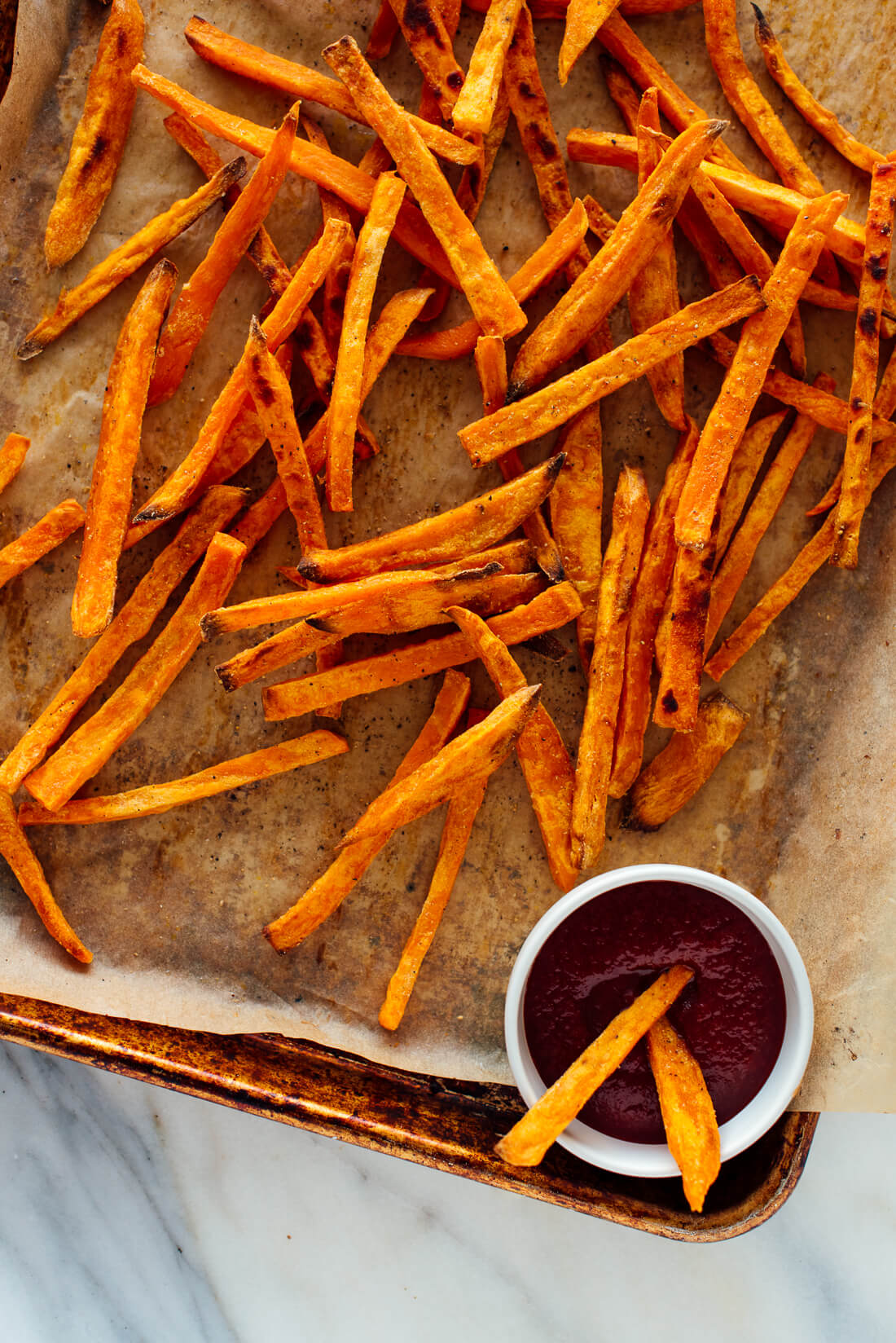
The Quest for the Perfect Crispy Baked Sweet Potato Fries
There's a universally acknowledged truth in the world of comfort food: few things rival the sheer delight of a perfectly crispy fry. Yet, for many, the dream of truly crisp oven-baked sweet potato fries often devolves into a disappointing reality of soggy, limp, or leathery starchy sticks. Sweet potato fries, with their natural sweetness and vibrant color, promise an elevated experience, but their inherent properties make them notoriously challenging to achieve that coveted shattering crunch without a deep fryer.
We've all been there: anticipating that satisfying crisp only to bite into a soft, slightly chewy imitation of a fry. This common frustration often leads home cooks to abandon the idea of homemade versions altogether, resigning themselves to the occasional (and often still subpar) bar-food rendition. But what if we told you that the secret to achieving genuinely crispy baked sweet potato fries, rivaling their deep-fried counterparts, lies not in complicated kitchen gadgets or excessive oil, but in a clever scientific hack involving humble cornstarch?
This article will delve into the science behind perfectly crisp sweet potato fries, unveiling the techniques that transform them from a culinary challenge into a weeknight-friendly triumph. Forget the greasy splatters and endless cleanup of deep-frying; get ready to rediscover the joy of homemade, golden, and undeniably crisp sweet potato fries, right from your oven.
The Scientific Secret: Unlocking Crispness with Cornstarch and pH Balance
The fundamental problem with baking sweet potato fries stems from their very composition. Unlike the high-starch, lower-sugar russet potato, sweet potatoes are blessed with more natural sugars and a higher water content, coupled with less starch. This combination creates a unique challenge:
- Excess Sugar: Sweet potatoes brown very quickly due to their sugar content. This means the exterior can darken and even burn before the interior has a chance to fully cook and the desired crispness develops.
- High Water Content: The moisture within the sweet potato creates steam during baking, which actively works against crisping. This steam can lead to a soft, even mushy interior, while the exterior struggles to dry out and crisp up.
- Lower Starch: Starch is crucial for developing a sturdy, crisp structure. With less starch, sweet potatoes lack the inherent framework to achieve that deep-fried-like crunch on their own when baked.
This is where the magic of a cooked cornstarch slurry, combined with a touch of baking soda, truly shines. It's a game-changer for homemade crispy oven sweet potato fries:
The Cooked Cornstarch Slurry Breakthrough
Traditional methods of tossing sweet potato fries in dry cornstarch often yield disappointing results—a chalky, uneven coating that can taste bitter or turn tough. The innovation lies in pre-gelatinizing the cornstarch. By whisking cornstarch with water and briefly cooking it (often in a microwave), it transforms into a smooth, translucent, yogurt-like paste. This "pregelatinized" starch offers several critical advantages:
- Even Adhesion: Unlike dry starch which clumps, this slurry creates a thin, cohesive batter that clings perfectly and evenly to every surface of the sweet potato sticks. This uniform coating is key to consistent crispness.
- Enhanced Crispness: When baked, this pre-cooked starch coating forms a durable, glass-like shell that crisps up beautifully. It mimics the light, shattering crunch of a deep-fried fry without absorbing excessive oil or turning dark too quickly.
- Moisture Barrier: The thin starch layer acts as a barrier, helping to seal in some moisture for a tender interior while allowing the exterior to dehydrate and crisp efficiently.
The Role of Baking Soda (pH Balance)
Adding a small amount of baking soda to the slurry isn't just a quirky addition; it's a strategic move rooted in chemistry. Baking soda is alkaline, and it raises the pH of the sweet potato's surface. This increased alkalinity helps to:
- Promote Browning: It encourages the Maillard reaction (the complex chemical reactions responsible for desirable browning and savory flavor) at a lower temperature or more efficiently. This means your fries develop deep, golden color and rich, roasted flavor before their interiors have a chance to overcook and become limp.
- Tenderize: In very small amounts, it can also slightly tenderize the surface, contributing to a pleasant mouthfeel.
Combined, the pregelatinized cornstarch and baking soda create an environment where your baked sweet potato fries can achieve that sought-after crispy exterior and tender interior, defying their natural tendencies.
Mastering the Technique: Step-by-Step for Flawless Fries
Understanding the science is one thing; putting it into practice is another. Here’s a detailed guide to ensuring your next batch of homemade sweet potato fries is a resounding success:
1. Perfect Preparation of Your Sweet Potatoes
- Choose Wisely: Opt for firm, unblemished sweet potatoes. Varieties like Beauregard or Jewel are excellent choices.
- Wash and Peel (Optional): Thoroughly wash your sweet potatoes. Peeling is optional; many prefer to leave the skin on for added nutrition and rustic appeal.
- Precise Cutting: This is crucial. Cut the sweet potatoes into uniform 1/2-inch thick sticks. Consistency is key for even cooking. Irregularly sized fries will cook unevenly, with some burning and others remaining soft.
- Thorough Drying: After cutting, rinse the fries under cold water to remove excess starch (which can contribute to stickiness). Then, and this is vital, dry them meticulously. Lay them out on a clean kitchen towel or paper towels and pat them until they are as dry as possible. Any residual moisture will dilute the slurry and hinder crisping.
2. Crafting the Cornstarch Slurry
- Ingredients: For a typical batch (1.5 to 2 lbs sweet potatoes), you'll need about 2 tablespoons of cornstarch and 2 tablespoons of water, plus about 1/4 teaspoon of baking soda. Adjust ratios slightly for larger or smaller batches.
- Microwave Method: In a microwave-safe bowl, whisk the cornstarch and water until smooth. Microwave for 15-30 seconds, stir, then microwave again in 10-second intervals until it thickens into a glossy, smooth, yogurt-like paste. It should be thick enough to coat a spoon. Be careful not to overcook, or it will become too stiff.
- Stovetop Alternative: If you don't have a microwave, you can gently heat the mixture in a small saucepan over low heat, whisking constantly until it thickens.
3. Coating and Seasoning
- Combine: In a large bowl, toss the dried sweet potato sticks with the cooked cornstarch slurry, ensuring every piece is evenly coated. Add the baking soda and toss again.
- Oil it Up: Drizzle with 1-2 tablespoons of neutral oil (like canola, grapeseed, or avocado oil). Toss thoroughly to distribute the oil evenly.
- Season Liberally: Now is the time for flavor. Sprinkle with salt, black pepper, and your choice of seasonings. Paprika, garlic powder, onion powder, or even a touch of chili powder work wonderfully with the inherent sweetness of the potato.
4. The Baking Sheet Strategy
- Preheat Oven and Pan: Preheat your oven to a high temperature, typically 400-425°F (200-220°C). For even better results, place your empty baking sheet (or sheets) in the oven as it preheats. This allows the pan to get screaming hot, providing an immediate searing effect when the fries hit it.
- The Oil Film Secret: Once the pan is hot, carefully remove it. Spray the hot baking sheet with cooking spray *before* adding the oil. This seemingly small step is critical: it ensures the added oil spreads into a perfectly thin, even film across the surface instead of beading up. This uniform layer of fat facilitates consistent contact with the heat, essentially creating a "shallow-frying" effect in your oven, preventing steaming or scorching in patches.
- Single Layer: Arrange the coated sweet potato fries in a single layer on the prepared hot baking sheet. Do not overcrowd the pan. If necessary, use two baking sheets to give the fries ample space. Overcrowding traps steam, leading to soggy results.
5. Baking to Perfection
- Initial Bake: Bake for 15-20 minutes, then carefully flip each fry.
- Second Bake: Continue baking for another 10-20 minutes, or until the fries are deeply golden brown and wonderfully crisp. Keep a close eye on them, as cooking times can vary depending on your oven and fry thickness.
- Serve Immediately: For maximum crispness, serve your baked sweet potato fries hot out of the oven!
Beyond the Basics: Flavor Variations and Serving Suggestions
Once you've mastered the foundational technique for perfectly crisp baked sweet potato fries, the culinary possibilities expand significantly. Here are some ideas to elevate your fry game:
Exciting Seasoning Blends
- Classic Savory: Beyond salt and pepper, consider a blend of garlic powder, onion powder, smoked paprika, and a pinch of cayenne for a smoky-spicy kick.
- Herbal Infusion: Fresh rosemary and thyme, finely chopped and tossed with the oil, lend an aromatic, sophisticated touch.
- Sweet & Spicy: A dusting of cinnamon and a dash of chili powder create an intriguing flavor profile that's both warm and zesty.
- Cajun/Creole: A good quality Cajun seasoning blend (watch the salt content if your blend is already salty) can transform your fries into a vibrant, flavorful side.
- Everything Bagel Seasoning: For a uniquely savory and textured coating, sprinkle with everything bagel seasoning after coating with the slurry and oil.
Irresistible Dipping Sauces
While delicious on their own, crispy sweet potato fries are often best enjoyed with a complementary dipping sauce:
- Sriracha Mayo: A simple mix of mayonnaise and sriracha, perhaps with a squeeze of lime, offers creamy heat.
- Honey Mustard: The classic sweet and tangy combination is always a hit.
- Garlic Aioli: Homemade or store-bought, a rich garlic aioli adds a touch of gourmet elegance.
- Chipotle Ranch: Infuse your favorite ranch dressing with smoky chipotle powder for a deeper flavor.
- Sweet Chili Sauce: For an Asian-inspired twist, a sweet chili dipping sauce pairs beautifully with the sweet potatoes.
Perfect Pairings
These versatile fries aren't just a snack; they make an excellent side dish for a variety of meals:
- Burgers and Sandwiches: The quintessential fry pairing.
- Grilled Meats: They complement grilled chicken, fish, or pork chops wonderfully.
- Salads: A handful of crispy sweet potato fries can add texture and heartiness to a main course salad.
- Brunch: Serve them alongside eggs, avocado toast, or breakfast burritos for a wholesome twist.
These creative additions prove that with the right technique, your homemade baked sweet potato fries can be a canvas for endless flavor exploration, making them a staple in your culinary repertoire.
Conclusion: Your Crispy Sweet Potato Fry Revolution
The journey to truly crispy baked sweet potato fries doesn't have to be one of constant disappointment. By understanding the unique properties of sweet potatoes and applying a few clever scientific principles, you can consistently achieve that coveted "shattering" crispness right from your home oven. The combination of a precise cut, a pregelatinized cornstarch slurry, a touch of baking soda, and smart baking sheet preparation creates a culinary alchemy that transforms humble sweet potatoes into a snack or side dish rivaling the best deep-fried versions, without the guilt or the mess.
No longer will you have to settle for soggy, sad sweet potato fries. Armed with this knowledge and these techniques, you're ready to create golden, tender-on-the-inside, and impossibly crisp baked sweet potato fries that will undoubtedly become a new favorite in your household. So, preheat your oven, whisk up that slurry, and prepare to embark on your own crispy sweet potato fry revolution!
